
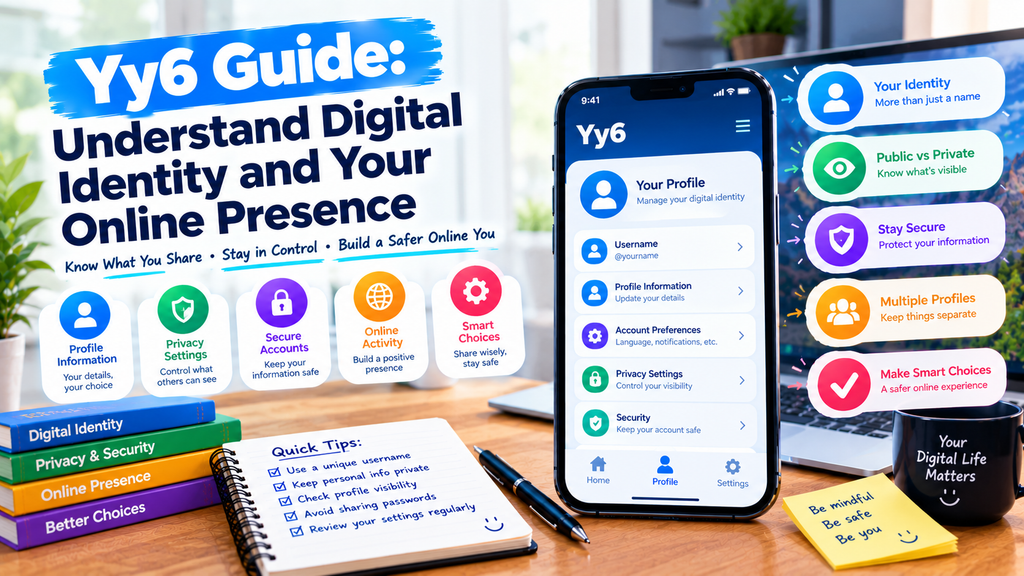
Every time people interact with websites, applications, or online services, they create parts of a digital identity. Some details are shared directly, while others come from preferences, public activity, and information stored by digital platforms.
Understanding digital identity helps users make thoughtful choices about what they share online. It also makes it easier to separate personal information from public activity and understand how different online profiles work.
For people using Yy6 or other digital services, knowing how online identity works can support more careful and informed platform use. This guide explains the main parts of digital identity and practical ways to manage an online presence.
What Does Digital Identity Mean?
Digital identity refers to the information connected with a person or account in an online environment. It may include details used to recognize an account, personalize a service, or support communication.
Depending on the platform, digital identity may involve:
- A username or display name.
- A profile picture.
- An email address.
- Account preferences.
- Public comments or posts.
- Selected account information.
Not every service collects the same information. Some require only basic details, while others may request additional information for specific functions.
The important point is to understand why a service asks for information before providing it.
The Main Parts of an Online Identity
An online identity is not created through one detail alone. Several elements can work together to represent an account.
Username and Display Name
A username is an identifier used to recognize an account. A display name is the name shown to other users in places where the service supports public profiles.
Some platforms allow users to change their display names without changing their account identifiers.
Choose names carefully, especially if you prefer to keep your personal and professional activities separate. Avoid including private details such as phone numbers or home addresses.
Profile Information
A profile may contain information that helps describe an account.
Depending on the service, this could include a photograph, short introduction, selected preferences, or other optional details.
Only add information that serves a clear purpose. A complete profile does not need to reveal every part of a person’s life.
Account Preferences
Preferences describe how a digital service should behave for an individual account.
They may include language, display choices, communication settings, or other available options.
For example, a user may prefer a particular language or notification style. These choices help create a more familiar experience without necessarily becoming public information.
Understand the Difference Between Public and Private Information
One of the most important parts of digital identity management is knowing which information other people can see.
Public Information
Public information is visible to visitors or users who can access the relevant page.
Examples may include a public username, profile description, published comments, or shared content.
Before posting anything publicly, consider whether you would be comfortable with the information being viewed outside its original audience.
Private Account Information
Private account information is intended for account management or service operations.
It may include contact details, recovery information, and other personal data.
Keep these details protected. Do not share them in public comments or send them to people who cannot verify their connection with the service.
Information Shared With Selected Users
Some platforms provide options for sharing information with a limited audience.
These controls can be useful, but users should read the available privacy descriptions carefully. A selected audience does not always mean that shared information cannot be copied or redistributed.
How Digital Identity Develops Over Time
An online identity can change as people use different services and update their profiles.
Account Activity Adds Context
Comments, saved preferences, and other activities may create a history connected with an account.
Some services display parts of this history, while others keep it private or use it internally.
Users should understand that online activity may remain available for some time, depending on the platform’s policies.
Different Platforms May Have Separate Profiles
A person can have several online identities for different purposes.
For example:
- A professional profile for work-related communication.
- A personal account for private interests.
- A learning profile for educational activities.
- A separate account for a specific digital service.
Keeping these profiles distinct can make online activity easier to organize.
Account Changes Should Be Reviewed
When changing a username, profile image, or other account detail, check how the change will appear.
If the service provides a preview or confirmation, review it before saving. This reduces the chance of displaying incorrect information.
Manage Your Digital Identity While Using Yy6
The exact profile and identity features available through Yy6 depend on the specific service and its current functionality. Users should not assume that every platform provides public profiles or customizable account settings.
If account-related options are available, follow these practical steps:
- Review the information requested during registration.
- Use an appropriate username that does not reveal private details.
- Check which profile fields are visible to other users.
- Avoid adding unnecessary personal information.
- Review available account preferences periodically.
- Use verified service instructions when making profile changes.
These habits are useful for a Yy6 game or any other online platform that supports user accounts.
Build a Consistent and Responsible Online Presence
A clear digital identity is easier to manage when the information shared across different platforms is accurate and appropriate.
Keep Important Details Accurate
If a service requires contact or account information, provide accurate details where necessary. Incorrect information may create problems with communication or account management.
However, do not provide information that a service does not reasonably need.
Think Before Sharing Content
A comment or image may be copied beyond its original page. Before sharing something publicly, consider its meaning, audience, and possible long-term visibility.
A short pause can prevent an unnecessary privacy problem.
Review Old Profiles
Some online profiles remain unused for long periods. Review them occasionally to check whether the information is still accurate.
If a service provides account closure or deactivation options, read the relevant instructions before making a decision.
Common Digital Identity Mistakes
Using personal details in usernames: Phone numbers, birth dates, and addresses can reveal more information than necessary.
Sharing the same information everywhere: Different platforms have different purposes and audiences. Personal details should not automatically be repeated across every account.
Ignoring profile visibility: Users may not realize that some profile details are publicly accessible.
Trusting unofficial identity requests: Do not provide account information to unknown people claiming to represent a service.
Leaving outdated profiles unattended: Old information may create confusion or present an inaccurate online identity.
Final Thoughts
Digital identity is an important part of modern online activity. Usernames, profile details, account preferences, and public content can all contribute to how an account is represented.
For Yy6 users, understanding these elements can make account-related decisions more thoughtful. Whether accessing a service through a browser or a Yy6 game apk, it is important to know what information is being shared and who may be able to see it.
A responsible online presence does not require sharing more information. It requires sharing the right information for the right purpose.
Frequently Asked Questions
1. What is a digital identity?
A digital identity is the collection of information connected with a person or account in an online environment.
2. Is a username the same as a display name?
Not always. A username may identify an account, while a display name is the name shown to other users. The difference depends on the platform.
3. Should I use my real name on every website?
No. Whether a real name is necessary depends on the service and its requirements. Avoid revealing personal details when they are not needed.
4. Can online profiles contain private information?
Yes. Some profiles include contact details or other account information. Review visibility settings before adding personal details.
5. Why should I review old online profiles?
Old profiles may contain outdated information or content that no longer reflects your preferences. Reviewing them helps maintain a more accurate online presence.
6. Does every Yy6 service provide profile customization?
Not necessarily. Available features depend on the specific service. Check its verified instructions to understand which account options are actually supported.